🎉 Our Chrome Extension is here! Get live market prices right in your browser.Install Now
Jeff Bezos's space ambitions took a fiery hit as Blue Origin's New Glenn rocket exploded during a ground test, raising questions about its commercial launch timeline.
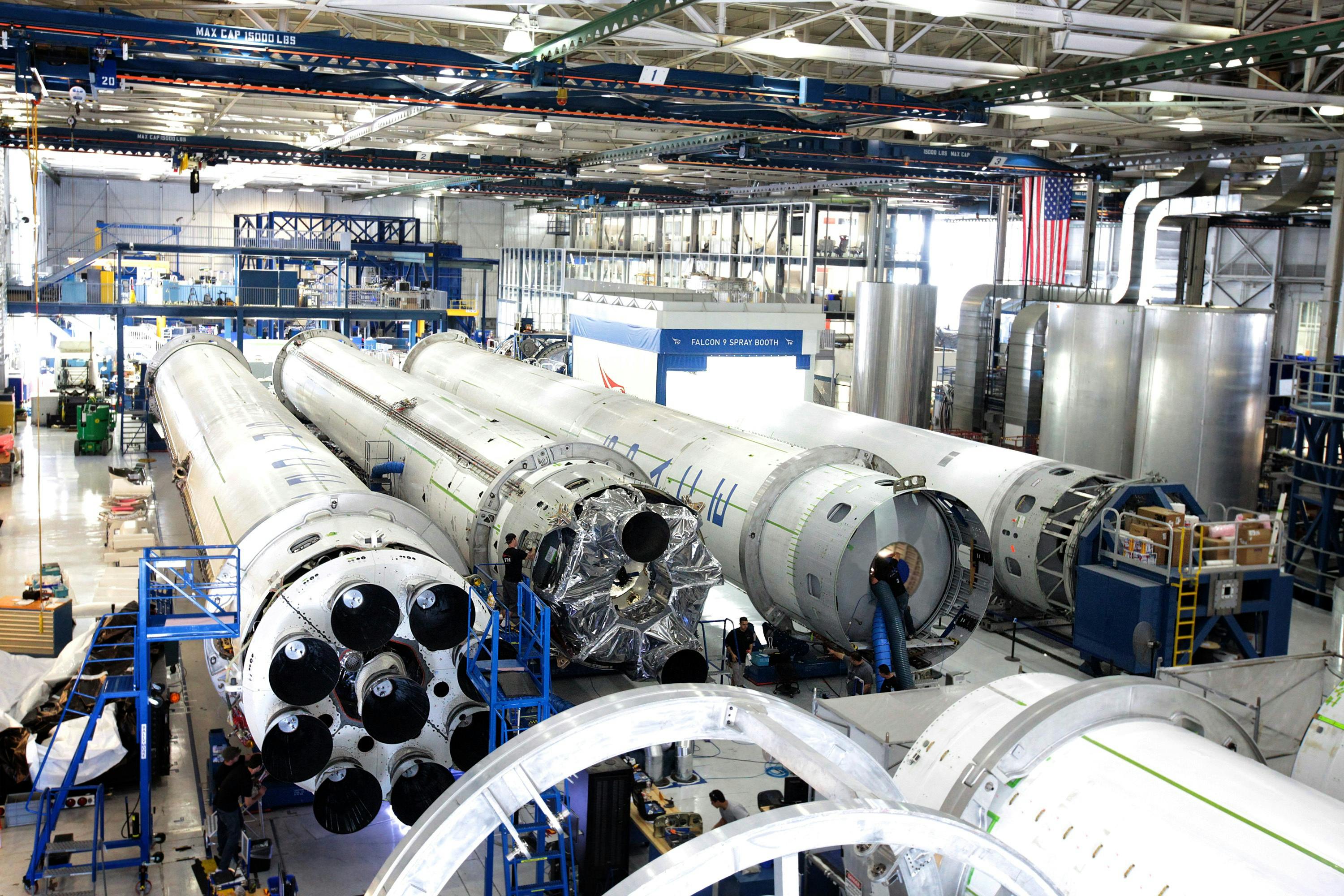
Jeff Bezos's pursuit of the stars hit a rather fiery snag on Thursday. His Blue Origin venture saw its heavy-lift New Glenn rocket spontaneously combust on the launchpad during a ground test in Florida. It's a stark, public setback for a company that's been quietly but ambitiously trying to carve out its piece of the commercial space market.
The explosion isn't just a physical loss of hardware; it’s a palpable blow to Blue Origin's carefully curated timeline and investor confidence. The New Glenn, designed as a reusable heavy-lift launch vehicle, is Bezos's answer to SpaceX's Falcon Heavy, targeting lucrative contracts for satellite deployment and deep-space missions. This incident pushes back an already long-anticipated maiden flight, adding significant cost and delaying critical revenue streams.
In the cutthroat world of private space, every anomaly gets magnified. The market isn't just watching Blue Origin; it's watching the entire ecosystem of companies banking on reliable, affordable access to orbit. While Blue Origin is privately held, the ripple effects can touch publicly traded suppliers, partners, and even rival aerospace firms. This isn't just a rocket; it's a statement about the risks inherent in pushing technological frontiers.
Without specific price levels to dissect, the market's focus shifts entirely to qualitative factors. Traders and investors will be scrutinizing:
This incident underscores the inherent volatility and capital intensity of the aerospace industry. Space, for all its promise, remains a domain where even the most meticulous planning can be undone by a single, critical failure. For long-term investors in the burgeoning space economy, it's a vivid reminder that progress is rarely linear. We're talking about massive upfront R&D, intricate engineering, and a zero-tolerance for error environment — a brutal equation even for the deepest pockets. Even market giants like Microsoft face intense scrutiny over capital expenditure, with recent earnings analyses like Microsoft's Azure Roars at 40% — But CapEx Miss Raises Eyebrows suggesting investors are increasingly wary of long-term payouts for massive upfront costs.
The private space race, often framed as a battle between billionaires, is really a massive bet on future infrastructure. Reliability is paramount. Any perceived weakness in one player can shift the landscape, potentially benefiting another, or temporarily cooling the broader appetite for what remains a highly speculative, albeit transformative, sector.
For traders, this isn't about immediate stock moves for Blue Origin itself, but about the second-order effects. Keep an eye on publicly traded suppliers in the aerospace sector, particularly those involved in propulsion or advanced materials. Any delays or cancellations stemming from Blue Origin's setback could impact their earnings outlook. Furthermore, look at how the market reacts to direct competitors or space-focused ETFs — does the sentiment cool, or does capital simply rotate to perceived stronger players?
This event also serves as a potent reminder of the "innovation premium" that can evaporate in an instant. Anyone tracking the tick-by-tick reaction across related publicly-traded companies or even commodity markets for key components can pull live data straight from RealMarketAPI, which streams price feeds across 50+ instruments. The coming days will be about parsing the silence from Blue Origin and the speculation from the market.